In this guide
- Confirm you are comparing the same item
- Compare the complete pack
- Use the same questions for every listing
- Recheck the selection before ordering
- Build a comparison sheet that exposes differences
- A price example with the assumptions made visible
- Practise on catalogue entries without treating them as substitutes
- Check what happens beyond the product subtotal
- Write a short decision record
Two listings can look similar while describing different packs or leaving different questions unanswered. Before comparing prices, build a short, consistent record for each item. This is a way to organise information, not a recommendation about which compound to choose.
Confirm you are comparing the same item
Write down the exact name and any identifying suffix. Check the format and the amount stated for each container. If a detail differs, make that difference visible in your notes rather than treating the listings as equivalent.
For unfamiliar wording, return to the product description or ask the supplier. Similar packaging, colour or abbreviations are not enough to settle product identity.
Compare the complete pack
Record both the amount per container, where stated, and the number of containers. Then record the selected total price. A lower headline figure may describe a smaller pack, while a quantity option may change the total you pay.
For example, if a hypothetical two-container pack is priced at £80 in total, its arithmetic price per container is £40. That calculation describes price only. It says nothing about equivalence, testing or suitability, and it should not be used to compare items whose contents differ.
Use the same questions for every listing
- What is the exact product name?
- What format is stated?
- What amount is listed per container or pack?
- How many containers are included in the selected option?
- What is the selected total, and are delivery charges separate?
- Which batch-specific records are available?
- What information remains unclear?
Keep an “unknown” entry where a listing does not answer a question. Replacing an unknown with an assumption can make a comparison look more complete than it really is.
Recheck the selection before ordering
Return to the current product page rather than relying only on an earlier note or screenshot. Confirm the option, quantity, availability and basket total. Use the saved-products feature to revisit pages, but treat the current listing as the place to verify the details.
Build a comparison sheet that exposes differences
Give each candidate its own row. Use the exact product-page link as a reference, then add the fields you want to compare. Resist the temptation to fill every cell immediately: a blank labelled “not stated” is useful because it shows what you still need to establish.
| Field | What to record | What not to assume |
|---|---|---|
| Identity | Full title and identifying details | Similar abbreviations mean identical materials |
| Pack | Amount per item and item count | A larger box contains more material |
| Price | Selected subtotal and separate charges | A headline figure is the final order total |
| Records | Applicable batch and document reference | One report applies to all batches |
| Open questions | Missing or inconsistent information | No answer means the detail is confirmed |
A price example with the assumptions made visible
Imagine two hypothetical listings for the same stated item and pack contents. Listing A shows one container at £30. Listing B shows two containers for £54. Before delivery charges, B has an arithmetic unit price of £27. That is a clear calculation only because the example explicitly assumes matching contents.
If B instead describes a different amount, format or material, that unit-price comparison does not establish better value for the same thing. Change the worksheet to show the difference. Do not disguise a mismatch by dividing both totals by the number of containers.
These figures are invented to demonstrate the arithmetic and are not offers or current prices. Visit the product pages for live selections. Keeping worked examples separate from live pricing also prevents an article from presenting an outdated price as current.
Practise on catalogue entries without treating them as substitutes
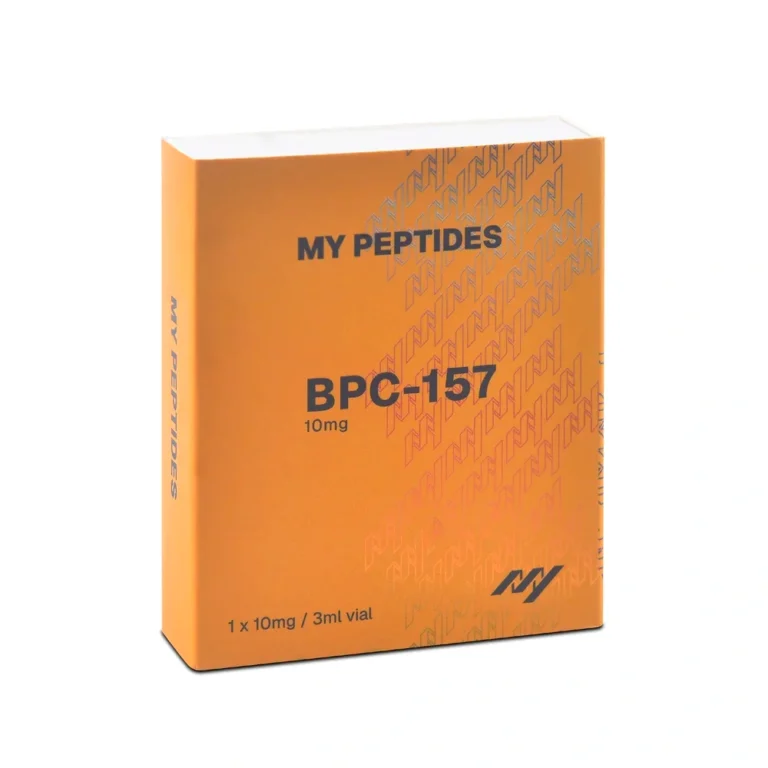
Open BPC-157 and TB-500 in turn. Use the worksheet to locate the name, format, amount and selected quantity on each. You are comparing how the information is presented, not deciding that these distinct materials are alternatives with equivalent properties.
For a purchase comparison, first establish exactly what your research requirements call for. An article cannot make that technical decision from a price or a category label. Its role here is to help you organise the stated facts and identify questions.
Check what happens beyond the product subtotal
Read the order summary for delivery charges and any other applicable adjustments. If a discount appears, check whether it applies to the selected quantity and whether the total reflects it. Avoid treating a quantity threshold as a reason to order more than your requirements call for.
Availability and dispatch information should also be read in context. A dispatch cut-off concerns a configured ordering schedule; it should not be turned into a guaranteed arrival date unless the actual service terms support that statement. Check the information supplied for the order rather than assuming a countdown answers every delivery question.
Write a short decision record
When the details are clear, record which option you reviewed, when you reviewed it and which questions were resolved. Save the relevant page and document references. A short record is easier to revisit than a folder of unexplained screenshots.
Should I compare only by price per milligram?
That figure alone cannot establish that materials, formats, documentation or pack contents are equivalent. First confirm the identity and specifications relevant to the comparison. No single price calculation replaces that work.
For help interpreting the fields, read our product-listing guide. For the documentation side of the comparison, follow the batch-record checklist.