In this guide
- 1. Start with the exact name
- 2. Separate the amount from the number of containers
- 3. Check the format
- 4. Finish with the supporting information
- A worked example: reading a page in five passes
- What does a quantity option such as “3+” mean?
- What if the photograph and text do not agree?
- Information gaps worth flagging
A product page can contain several numbers that look related but answer different questions. Reading them in a consistent order makes the page easier to understand and helps you spot information that needs clarification.
1. Start with the exact name
Copy the full product name, including any suffix or other identifying detail. Then check that the selected option and the accompanying description refer to the same item. If an abbreviation is unfamiliar, use the supplier’s explanation rather than guessing from a similar name.
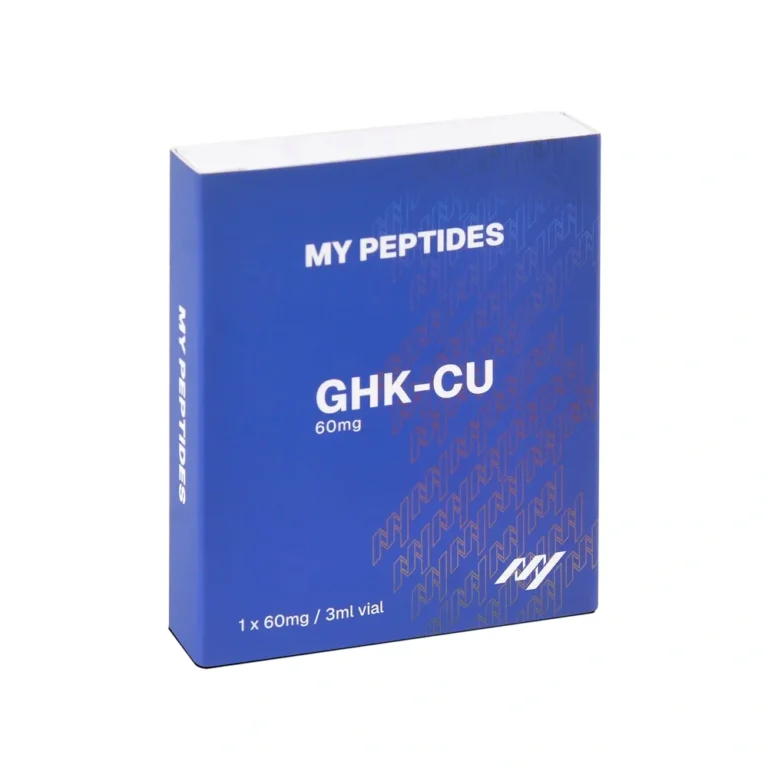
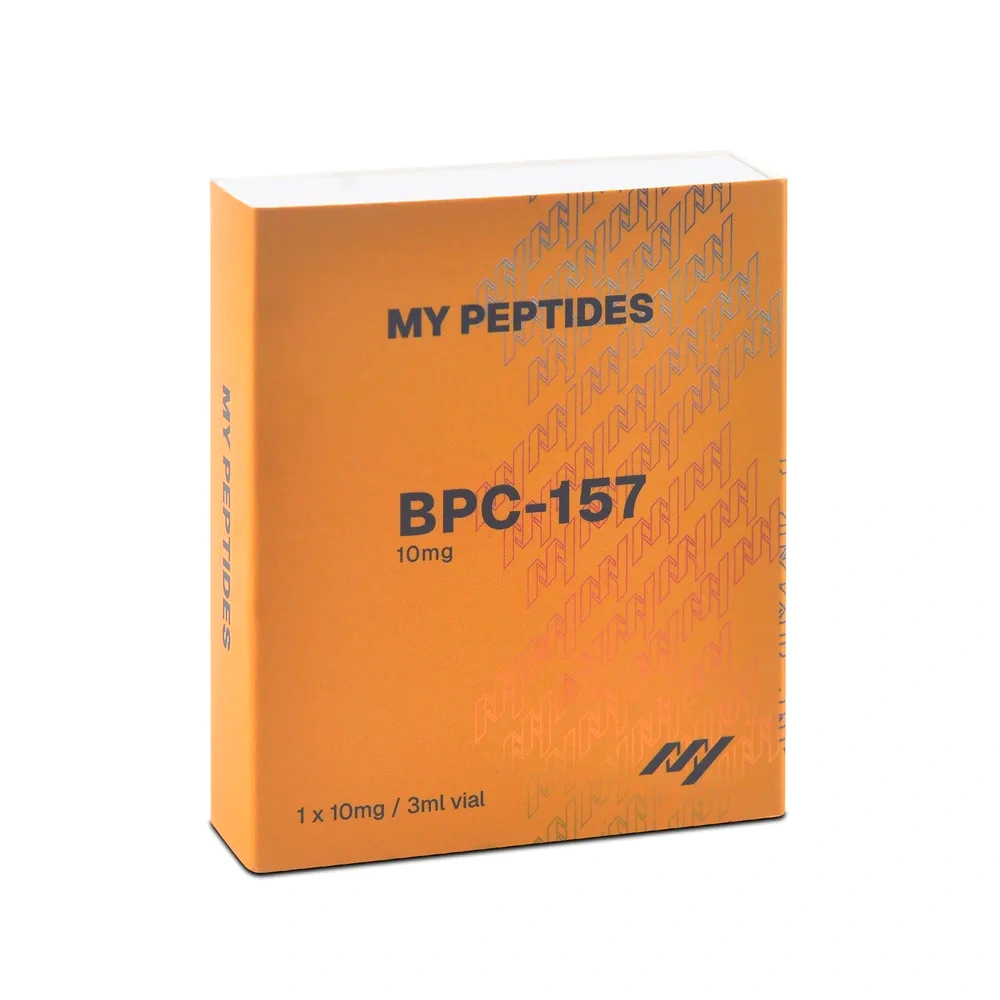
A photograph is useful context, but it may illustrate one pack option. Read the written selection alongside the image; if they disagree, ask for clarification before ordering.
2. Separate the amount from the number of containers
A milligram, written mg, is a unit of mass. A millilitre, written mL, is a unit of volume. The prefix “milli” means one thousandth of the base unit in question. They are different kinds of measurement and cannot be read as interchangeable labels. Reference: NIST’s metric prefixes guide.
Vial count answers another question: how many containers are included? In a hypothetical listing for “one vial, 10 mg”, the vial count is one and the stated amount is 10 mg. A two-vial option changes the number of containers. Check the description to establish whether an amount is stated per vial or for the complete pack.
| Detail | Question it answers |
|---|---|
| Listed amount | What quantity of material does the listing state? |
| Container or pack count | How many items are included? |
| Selected total | What is the price of the current selection? |
3. Check the format
“Lyophilised” means freeze-dried. The process removes water from frozen material under vacuum. It describes processing and physical form; the term alone is not evidence of purity, sterility or suitability for a particular purpose. Technical background: FDA’s lyophilisation guide.
Use any product-specific documentation to understand the stated format. Do not infer handling or storage instructions from another listing.
4. Finish with the supporting information
Check whether the available records identify the product and batch you are reviewing. Keep a note of any missing or inconsistent details. A pack amount is a catalogue specification, not a dose, and a research listing does not establish suitability for human or animal use.
A worked example: reading a page in five passes
Use the BPC-157 product page as a practical example. The aim is to locate information, not to choose a material for a personal-use goal. Keep the page open while following these steps, since its current options and prices may change.
- Identity: read the complete title. Record the exact name rather than shortening it in a way that could cause confusion later.
- Option: inspect the currently selected quantity. Do not assume the default is the option you intended to review.
- Contents: read the stated amount and establish whether it applies to one container or the whole pack.
- Price: find the total beside the purchasing controls. Separate a per-item figure from the amount due for the selection.
- Documentation: look for a relevant reference and make a note of any information you need to request.
Now repeat those passes on the TB-500 page. The same reading method is useful across different listings, but the entries remain different products. Familiarity with the page layout is not evidence of chemical equivalence.
What does a quantity option such as “3+” mean?
A threshold label can describe a pricing band. Read it together with the quantity control and the selected total. It should not be interpreted as an unspecified number of free extras, a change in the amount inside each vial or a different product format unless the description expressly says so.
For a purely illustrative calculation, three items at £30 each produce a £90 item subtotal. If a quantity band changes the per-item price to £27, the same three-item subtotal is £81. These are arithmetic examples, not current catalogue prices. Delivery and any other applicable charges should be checked separately in the order summary.
If the number of containers is uncertain, stop at that question. It is better to ask for a clear pack description than to infer the contents from a pricing label.
What if the photograph and text do not agree?
Packaging photographs may show one particular amount or format. The written selection may describe another. Neither discrepancy should be ignored. Record what the picture shows and what the selected option says, then ask the supplier to confirm the item that would be supplied.
The same approach applies to an old screenshot, an archived page or a saved shopping note. Those can help explain your question, but they should not override the current selection without clarification. Our supplier-question guide includes wording you can adapt.
Information gaps worth flagging
- A quantity is shown without saying whether it is per container or per pack.
- A price changes but it is unclear whether the displayed figure is a unit price or total.
- A document is linked but its batch cannot be matched to the listing.
- The product name differs between the title, description and image.
- A technical term appears without enough information to interpret it.
Missing information is a question to resolve, not proof of a particular answer. Keep a short list of unresolved points and check them before proceeding. A well-read listing should leave you able to describe the exact selected pack in one sentence without adding assumptions.
Can I infer concentration from the vial size?
No. A container’s capacity is not a statement of the material’s concentration. Read the actual specifications and request clarification where necessary. This guide does not provide preparation or concentration calculations.